Pricing a government cleaning tender
Cleaning tenders are won and lost on the rate build-up. What has to be in it, and the costs first-time bidders forget.
Published Reviewed 7 min read
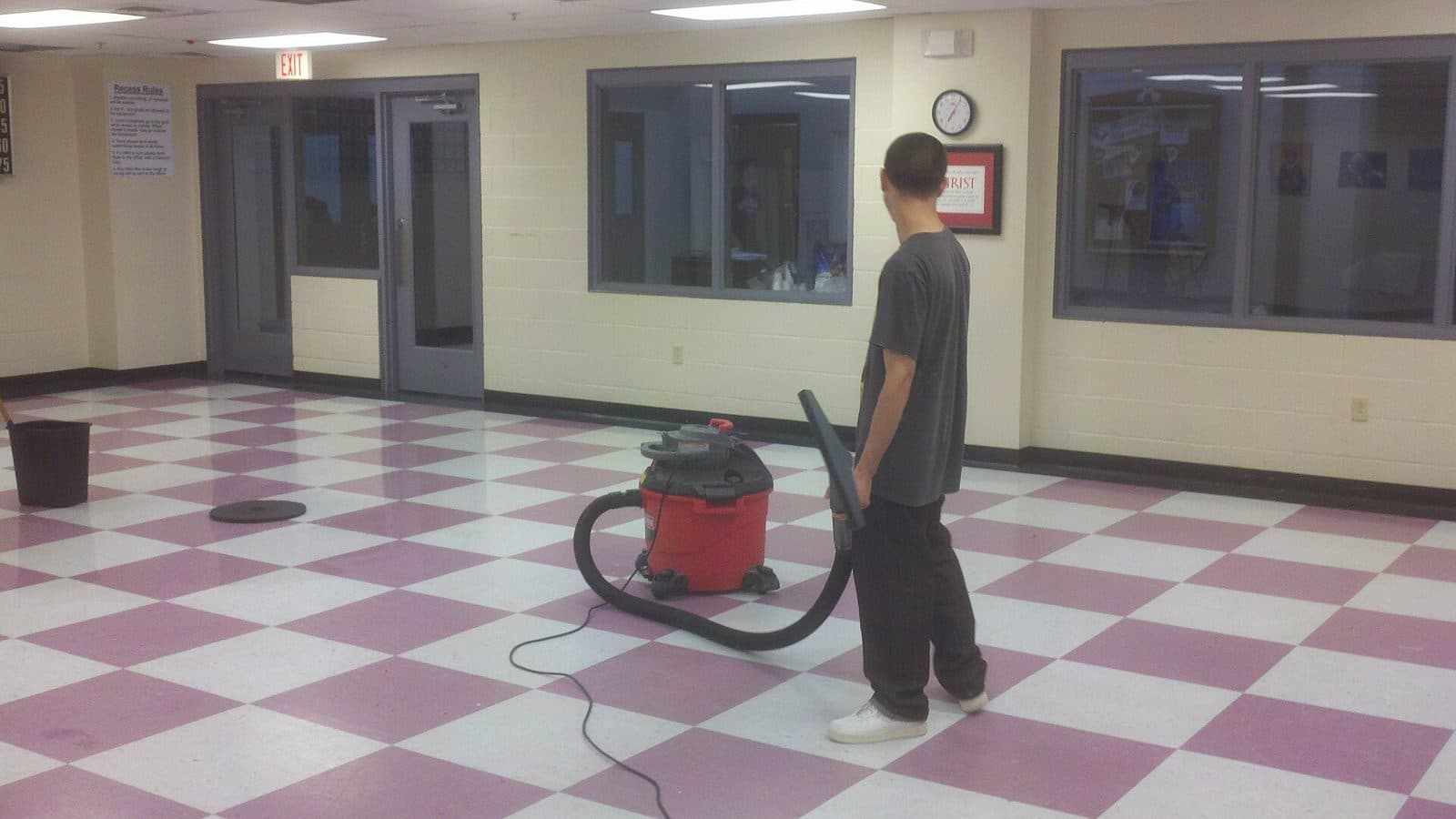
Cleaning is one of the most accessible categories in public procurement. The barrier to entry is low, the contracts recur, and no construction grading stands in the way. That accessibility is also the problem: these tenders attract many bidders and are decided largely on price, so the rate build-up is the whole exercise.
This covers what belongs in the build-up and the costs that get left out. For live contracts, see cleaning tenders.
Start from the specification, not a rate per square metre
Government cleaning specifications are usually detailed: areas in square metres, cleaning frequencies per area, hours of operation, whether work happens during or outside office hours, and a task schedule down to daily, weekly and monthly items.
Convert that into required staff hours before you touch money. Number of cleaners, hours per shift, shifts per week, plus supervision, plus relief cover for leave and absence. A price built from an assumed rate per square metre rather than from the specification will be wrong in one direction or the other, and both are bad.
Cost labour properly
Labour is the dominant cost and the one most often understated. The contract cleaning sector is covered by sectoral wage regulation, and government tenders expect compliance with the applicable minimum. Confirm the current rate for the relevant area before pricing, because it is revised periodically and an out of date figure undermines the whole build-up.
The gross wage is not the cost of employment. Add the statutory and practical additions or your margin disappears in month two.
- UIF, Skills Development Levy and Compensation Fund contributions
- Provident fund and any bargaining council contributions that apply
- Annual leave, sick leave and family responsibility leave accrual
- Public holidays where the site requires cover
- Relief staff for absence, which is a real recurring cost and not an exception
- Supervision, whether a dedicated supervisor or an allocated share of one
Consumables, equipment and the site's own rules
Read carefully whether consumables are your responsibility or the client's. Hand soap, toilet paper, paper towels, refuse bags and hygiene bin servicing carry real cost and appear on either side of the line depending on the tender. Assuming wrongly moves your price by a material margin.
Equipment follows the same logic: machines, vacuums, trolleys, signage, and their maintenance and replacement. Add personal protective equipment and branded uniforms, which most government specifications require, and factor replacement rather than a single issue.
Compliance costs belong in the price
There are costs to being a compliant supplier that first-time bidders treat as overhead and then discover are contract-specific: security clearance or vetting for staff working in government buildings, health and safety documentation, insurance including public liability at the level the contract specifies, and sometimes a performance guarantee.
Payment terms matter as much. Public sector invoices are commonly settled around thirty days from a correct invoice, and in practice longer when documentation queries arise. You will be paying wages weekly or monthly while waiting, so the working capital cost is real and should sit in your pricing rather than in your overdraft.
Do not buy the contract
The recurring failure in this sector is bidding below cost to secure a first reference, then discovering the wage bill alone exceeds the contract value. That ends in either delivering badly, which forfeits the reference you bid for, or defaulting, which is worse.
Where a tender uses functionality scoring, price is not the only lever, and a well-evidenced submission on staffing, quality control and supervision can carry a realistic price. Where it is a pure price comparison, be disciplined enough to walk away from work that does not cover its own cost.
Where the contracts come from
Every tier of government cleans buildings. National and provincial public works departments tender term contracts across their portfolios, municipalities do the same for their own facilities, and hospitals, schools, courts and police stations all appear as sites.
State-owned companies add depots, stations and offices. See Public Works tenders and municipal tenders for the biggest sources, and security tenders if you are considering offering both, which many facilities businesses do.
Common questions
- How do I price a government cleaning tender?
- Work from the specification to required staff hours, cost those hours at the applicable sectoral minimum plus statutory contributions, leave accrual and relief cover, then add consumables and equipment where the tender makes them your responsibility, plus compliance, insurance and the cost of waiting for payment.
- Do I need any registration to bid for cleaning tenders?
- No sector licence equivalent to CIDB or PSIRA applies, which is why cleaning is accessible. You still need the standard set: Central Supplier Database registration, SARS tax compliance status and B-BBEE evidence, plus insurance and health and safety documentation.
- Why are cleaning tenders so competitive?
- Low barriers to entry and no grading requirement mean many bidders. That makes the rate build-up decisive, and it is also why underpricing is common. Where functionality is scored, a well-evidenced submission can defend a realistic price.
Live tenders in this area
Keep reading
- Security guarding tenders: PSIRA, grading and wage costingGuarding contracts are heavily regulated. What PSIRA requires, how officer grades affect cost, and how to build the rate.
- Public Works tenders: how the pipeline actually runsDPWI and its provincial counterparts buy construction, maintenance and facilities services at scale. What that pipeline looks like.
- Your first government tender: what an SMME actually needsThe registrations and documents to get in place before you bid, in the order they matter, and which contracts to aim at first.